Updated on November 9th, 2025
Selecting the best EAM software for mission-critical infrastructure represents one of the most strategic decisions facilities can make, where the right platform transforms reactive maintenance into predictive excellence while the wrong choice can compromise operational reliability for years. Asset management EAM software is essential for organizations seeking to enhance operational efficiency, as it enables better asset utilization and performance optimization. Organizations implementing truly effective EAM solutions achieve up to 25% reduction in maintenance costs, 30% improvement in asset uptime, and extend equipment lifecycles by 20% through comprehensive asset lifecycle management and data-driven decision-making, helping to significantly reduce costs associated with maintenance and asset management. When mission-critical facilities find their ideal EAM software, they unlock operational excellence that delivers consistent uptime, optimized resource allocation, and strategic competitive advantages that support long-term business success. The right EAM solution will enhance operational efficiency by optimizing asset utilization and improving overall performance.
Key takeaways from this post:
- Learn the essential criteria that separate excellent EAM software from basic maintenance management systems
- Discover how the best EAM software addresses critical pain points in mission-critical operations
- Understand integration capabilities that unify asset management with broader facility operations
- Explore scalability features that grow with your organization while maintaining operational excellence
- Get proven selection strategies that ensure your EAM investment delivers maximum long-term value
Understanding EAM Software Excellence: Beyond Basic Maintenance Management
The best EAM software transcends simple maintenance tracking to become comprehensive platforms that optimize entire asset lifecycles while supporting strategic business objectives. Excellence in EAM software means creating unified environments where asset data, streamlined maintenance processes, maintenance workflows, and operational intelligence converge to enable proactive decision-making that prevents failures while maximizing asset value throughout their operational lives.
Superior EAM platforms distinguish themselves through comprehensive functionality that addresses not just maintenance scheduling but also predictive analytics, financial management, compliance tracking, and strategic planning capabilities. These systems recognize that mission-critical operations require more than work order management – they need intelligent platforms with advanced features such as AI-driven insights, IoT integration, and real-time analytics that transform asset data into actionable insights supporting operational excellence.
The foundation of excellent EAM software lies in its ability to create a single source of truth for all asset-related information while providing intuitive interfaces that enable users across different organizational levels to access relevant data and insights. A well-designed interface reduces the learning curve for new users, making onboarding and daily use more efficient. This comprehensive approach eliminates information silos while ensuring every maintenance decision is informed by complete asset history, performance trends, and strategic considerations.
Characteristics of excellent EAM software:
- Comprehensive asset lifecycle management from acquisition through disposal, with complete historical tracking
- Predictive maintenance capabilities that identify potential failures weeks before they impact operations
- Advanced features such as AI-driven insights, IoT integration, and real-time analytics for enhanced functionality and scalability
- Financial integration that connects maintenance costs with asset value and strategic investment planning
- Compliance management that automates regulatory requirements while maintaining detailed audit trails
- Strategic analytics that transform operational data into insights supporting long-term business decisions
Critical Pain Points That Excellent EAM Software Solves
Mission-critical facilities face unique challenges that require EAM software specifically designed to address high-stakes operational requirements. Excellent EAM platforms recognize that asset downtime is a critical metric—downtime in critical infrastructure can cost organizations hundreds of thousands of dollars per hour while compromising safety, regulatory compliance, and customer service obligations.
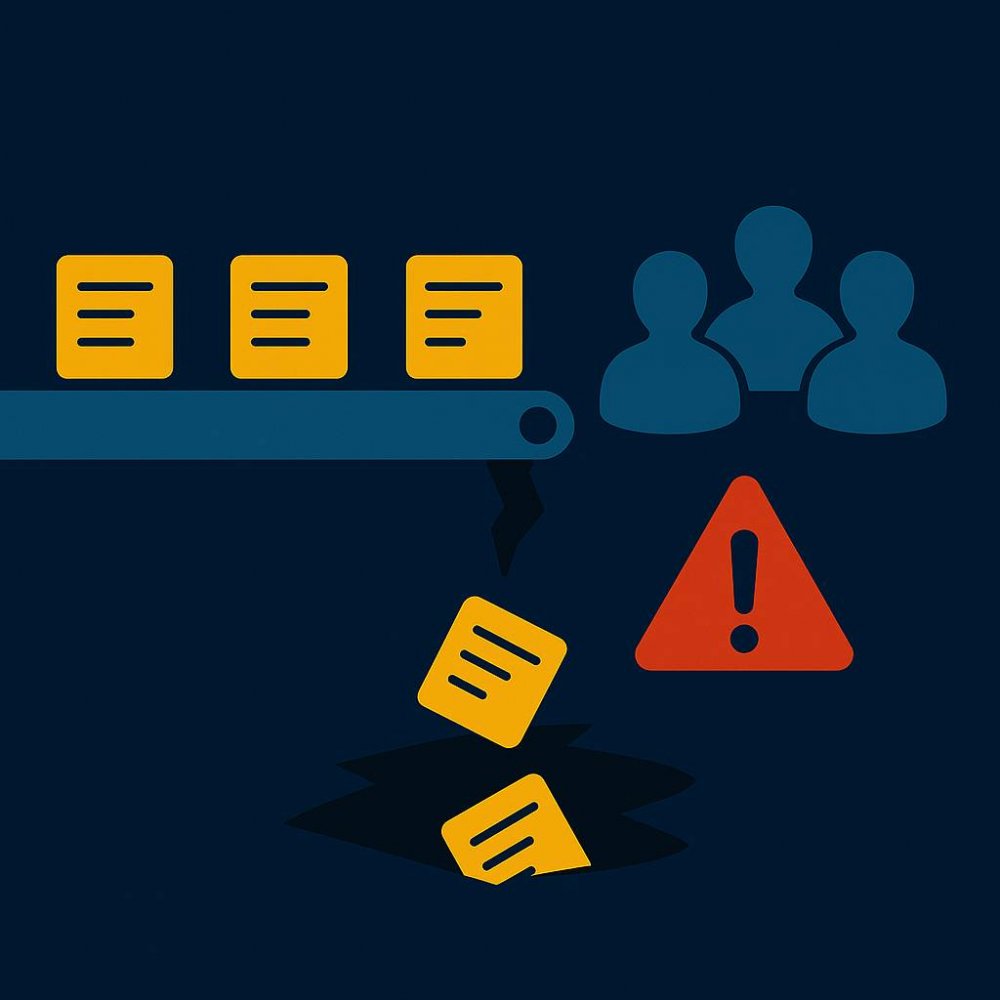
Traditional maintenance management approaches often leave facilities vulnerable to reactive firefighting, disconnected systems that hinder efficient maintenance operations by creating information silos, and inadequate visibility into asset performance trends that could prevent costly failures. The best EAM software transforms these pain points into competitive advantages through comprehensive integration, predictive capabilities, and strategic optimization features.
Disconnected systems represent one of the most significant challenges facing mission-critical operations, where maintenance data exists in isolation from operational systems, financial management, and strategic planning processes. Excellent EAM software bridges these gaps by creating unified platforms that connect asset management with broader organizational objectives while providing real-time visibility across all operational domains. MCIM addresses this challenge directly through its integrated platform that brings together asset management, maintenance scheduling, and operational insights in a single environment, eliminating the data silos that plague many mission-critical facilities.
Operational Efficiency and Resource Optimization
Excellent EAM software addresses operational inefficiency by automating routine tasks, optimizing maintenance scheduling, and providing data-driven insights that guide resource allocation decisions. These platforms recognize that mission-critical operations cannot afford wasted effort or suboptimal resource utilization that could compromise reliability or increase costs. Inventory management plays a crucial role in supporting efficient resource use and preventing shortages, ensuring that necessary spare parts and materials are available when needed.
Advanced EAM systems optimize maintenance workflows by analyzing asset condition data, operational requirements, and resource availability to recommend optimal intervention timing. This sophisticated approach ensures maintenance activities, including the scheduling and management of maintenance tasks, are performed when they deliver maximum value while minimizing operational disruption and resource consumption. MCIM’s predictive tools exemplify this approach by providing timely maintenance recommendations that reduce breakdowns while optimizing resource allocation based on actual asset conditions and operational priorities.
Key pain points addressed by excellent EAM software:
- Reactive maintenance cycles that result in costly emergency repairs and unplanned downtime incidents
- Disconnected information systems that create data silos and hinder informed decision-making
- Inefficient resource allocation due to a lack of visibility into asset priorities and maintenance requirements
- Compliance gaps that expose organizations to regulatory penalties and operational risks
- Poor asset lifecycle visibility leads to premature replacement or extended operation beyond optimal timeframes
Essential Integration Capabilities for Mission-Critical Operations
The best enterprise asset management solutions provide comprehensive integration capabilities that connect asset management with existing operational systems, creating unified environments that eliminate data silos while enhancing decision-making across all organizational levels. Seamless integration with other enterprise systems is crucial, allowing real-time connectivity and data exchange that supports efficient asset management and business operations. These integrations must be robust, real-time, and bi-directional to ensure information flows seamlessly between systems without creating bottlenecks or inconsistencies.
Integration with building management systems, SCADA platforms, IoT sensor networks, and ERP systems enables real-time asset monitoring that feeds directly into maintenance planning and optimization processes. ERP systems, such as SAP, Oracle, and IBM Maximo, play a key role in streamlining asset and business management by working together with EAM solutions to unify operational and financial data. This connectivity creates closed-loop systems where operational data automatically informs maintenance decisions while maintenance activities are coordinated with operational requirements. MCIM’s platform demonstrates this integration capability by connecting with existing building management software, DCIM systems, and operational platforms to create unified visibility across all facility operations.
Financial system integration ensures maintenance costs are properly tracked, budgeted, and attributed to specific assets or organizational units while supporting strategic planning processes that optimize capital allocation. Integration with supply chain processes can further enhance operational efficiency by aligning asset management with procurement, inventory, and logistics workflows. The best EAM platforms treat financial integration as essential rather than optional, recognizing that maintenance decisions have significant financial implications that must be managed strategically. MCIM’s comprehensive cost tracking capabilities provide real-time insights into the total cost of ownership while supporting smarter capital planning through detailed financial analytics that connect maintenance spending to asset performance outcomes.
Enterprise System Connectivity and Data Synchronization
Excellent EAM software maintains real-time synchronization with enterprise resource planning systems, human resource management platforms, and procurement systems to ensure maintenance activities are coordinated with broader organizational processes. Selecting the right EAM system is crucial for achieving optimal connectivity, as it should align with organizational needs, industry specifics, and long-term strategic goals. This comprehensive connectivity eliminates duplicate data entry while ensuring consistency across all business systems.
Advanced integration capabilities include APIs that enable custom connections with specialized systems while maintaining data integrity and security. These flexible integration options ensure EAM platforms can adapt to unique organizational requirements without compromising functionality or creating maintenance overhead.
Critical integration requirements for excellent EAM software:
- Real-time connectivity with building management systems and operational control platforms
- Seamless financial system integration for comprehensive cost tracking and budget management
- Enterprise resource planning synchronization that coordinates maintenance with procurement and human resources
- IoT and sensor network integration for automated data collection and condition-based maintenance
- Business intelligence platform connectivity that enables advanced analytics and strategic reporting
- An EAM system that supports comprehensive integration with all relevant enterprise platforms to optimize asset performance and operational efficiency
Asset Lifecycle Management: Maximizing Value from Acquisition to Retirement
Asset lifecycle management is at the heart of effective enterprise asset management, providing organizations with a structured approach to overseeing every stage of their physical assets—from initial acquisition through operation, maintenance, and eventual retirement. By adopting a comprehensive asset lifecycle management strategy, businesses can ensure that each asset delivers maximum value throughout its entire lifecycle, supporting both operational efficiency and long-term cost savings.
A robust asset lifecycle management process enables organizations to make informed decisions at every phase, from selecting the right assets to implementing optimal maintenance strategies and planning for timely replacements. This holistic approach to asset management not only reduces maintenance costs but also extends asset lifespan, improves asset reliability, and minimizes unplanned downtime. By tracking asset performance and health over time, organizations can proactively address issues before they escalate, ensuring that critical assets remain operational and productive.
Enterprise asset management EAM solutions empower teams to optimize asset utilization by providing real-time visibility into asset condition, usage patterns, and maintenance history. This data-driven insight supports preventive and predictive maintenance, helping organizations avoid costly emergency repairs and extend the useful life of their assets. Additionally, effective lifecycle management streamlines compliance with regulatory requirements and simplifies the process of retiring or replacing assets at the optimal time, further reducing total maintenance costs and supporting sustainable operations.
Ultimately, integrating asset lifecycle management into your enterprise asset management strategy delivers measurable improvements in operational efficiency, asset reliability, and cost control. By managing the entire lifecycle of physical assets with advanced EAM software, organizations can unlock significant value, enhance operational success, and ensure their asset portfolio continues to support business objectives for years to come.
Scalability and Flexibility: Growing with Your Organization
The best EAM software provides a scalable architecture that accommodates organizational growth while maintaining performance and functionality across expanding asset portfolios. Scalable EAM solutions are specifically designed to address complex asset management needs, supporting advanced requirements such as integration with AI, IoT, and predictive analytics for large enterprises. Scalability encompasses not just technical capacity but also functional flexibility that enables platforms to adapt to evolving operational requirements, new asset types, and changing business processes.
Excellent EAM platforms recognize that mission-critical organizations often operate across multiple sites, asset types, and operational environments that require consistent management approaches while accommodating local variations. Sectors such as facilities management benefit greatly from these multi-site and multi-asset management capabilities, as they support the management of physical assets within facility operations. This flexibility ensures standardized processes can be maintained while allowing customization for specific operational requirements or regulatory compliance needs. MCIM’s scalable architecture supports this requirement by enabling consistent asset management processes across multiple facilities while maintaining the flexibility to accommodate site-specific operational requirements and compliance standards. These platforms are built to handle complex asset management scenarios, making them suitable for organizations with sophisticated, high-demand infrastructures.
Cloud-based deployment options provide scalability that eliminates infrastructure constraints while enabling global accessibility and collaboration. The best EAM software offers deployment flexibility that accommodates organizational preferences while ensuring consistent functionality and security regardless of hosting approach.
Customization and Configuration Capabilities
Superior EAM platforms provide extensive customization options that enable organizations to configure workflows, reporting, and user interfaces to match specific operational requirements without compromising system integrity or upgrade paths. This customization capability ensures EAM software can adapt to unique organizational processes rather than forcing process changes to accommodate software limitations. Additionally, robust mobile capabilities are essential for supporting a mobile workforce, allowing users to manage assets and perform maintenance tasks on the go, which enhances real-time asset management and operational efficiency.
Advanced configuration capabilities include custom field definitions, workflow automation, and role-based access controls that enable precise alignment with organizational structures and responsibilities. These features ensure EAM platforms can grow and evolve with organizations while maintaining consistent functionality and user experience.
Scalability features that define excellent EAM software:
- Cloud-based architecture that eliminates infrastructure constraints while enabling global accessibility
- Multi-site management capabilities that maintain consistency while accommodating local operational requirements
- Flexible asset hierarchies that support complex organizational structures and diverse asset portfolios
- Customizable workflows that adapt to unique operational processes without compromising system integrity
- Role-based access controls that scale from small teams to enterprise-wide deployments with appropriate security
Strategic Selection Criteria for EAM Software Excellence
Selecting the best EAM software requires comprehensive evaluation processes that assess not just current functionality but also long-term strategic alignment, vendor stability, and platform evolution capabilities. Choosing the right EAM software is essential for efficient asset management, as it can optimize asset performance, improve operational efficiency, and support long-term business success. Excellent selection processes consider the total cost of ownership, implementation requirements, and organizational change management needs alongside technical specifications. The right EAM solution should align with organizational strategy and operational requirements to ensure it meets both current and future business needs.
User experience represents a critical factor that often determines EAM software success regardless of technical capabilities. The best platforms provide intuitive interfaces that minimize training requirements while maximizing user adoption across diverse organizational roles and technical skill levels.
Vendor evaluation must consider not just current platform capabilities but also development roadmaps, market position, and support infrastructure that will determine long-term success. Mission-critical operations require EAM vendors with proven track records, comprehensive support capabilities, and continued innovation that keeps platforms current with evolving technology and operational requirements.
Evaluation Process and Decision Framework
Comprehensive EAM software evaluation includes pilot testing with real operational scenarios that validate functionality under actual working conditions rather than controlled demonstrations. These pilots should involve end users from different organizational levels to ensure the platform meets diverse needs while providing consistent functionality. It is also important to evaluate how the software can improve asset reliability in real-world scenarios, such as optimizing asset utilization, extending asset lifespan, and reducing downtime.
Reference checking with organizations operating similar infrastructure and facing comparable challenges provides insights into real-world performance, implementation experiences, and long-term satisfaction that cannot be gained through demonstrations alone. The best EAM vendors provide references across different organizational sizes and operational environments to demonstrate platform versatility.
Strategic selection criteria for excellent EAM software:
- Proven track record in mission-critical environments with verifiable references and case studies
- Comprehensive functionality that addresses current needs while providing growth capacity for future requirements
- Strong vendor support infrastructure, including training, technical support, and ongoing development commitment
- Total cost of ownership analysis that includes implementation, training, and ongoing operational costs
- User experience design that minimizes training requirements while maximizing adoption and satisfaction
The Role of Predictive Analytics and Intelligence
Excellent EAM software incorporates predictive analytics capabilities that transform historical asset data into actionable insights supporting proactive maintenance strategies and strategic planning initiatives. These analytics go beyond simple reporting to provide forecasting, trend analysis, and optimization recommendations that guide decision-making across operational and strategic timeframes. By leveraging these capabilities, organizations can optimize asset performance, enhancing efficiency, reliability, and the lifespan of their assets.
Machine learning capabilities enable continuous improvement in prediction accuracy as platforms accumulate operational data and maintenance outcomes. The best EAM software learns from organizational experiences to provide increasingly precise recommendations that optimize maintenance timing, resource allocation, and asset lifecycle decisions, helping to improve operational efficiency.
Integration with condition monitoring systems and IoT sensors provides real-time data streams that feed predictive models, enabling accurate forecasting based on actual asset conditions rather than theoretical maintenance schedules. This combination of historical analysis and real-time monitoring creates comprehensive intelligence that supports both immediate operational decisions and long-term strategic planning. MCIM’s predictive analytics capabilities leverage this approach by analyzing real-time asset performance data to provide actionable insights that prevent failures while optimizing maintenance timing and resource allocation.
Data-Driven Decision Making and Optimization
Advanced analytics capabilities identify patterns and trends that might not be apparent through traditional analysis while providing quantified recommendations for optimization initiatives. These insights enable data-driven decision-making that optimizes both operational efficiency and strategic asset investments.
Predictive maintenance scheduling uses asset condition data combined with operational requirements to recommend optimal intervention timing that maximizes asset availability while minimizing maintenance costs. In addition to predictive strategies, preventive maintenance—scheduled based on time intervals, meter readings, or calendar events—plays a crucial role in minimizing failures and maximizing asset availability. This sophisticated approach ensures maintenance resources are deployed where they deliver maximum value while preventing failures that could compromise operations.
Predictive analytics features in excellent EAM software:
- Machine learning algorithms that continuously improve prediction accuracy based on operational outcomes
- Real-time condition monitoring integration that enables accurate asset health assessment and forecasting
- Optimization recommendations that balance maintenance costs with operational reliability requirements
- Trend analysis capabilities that identify patterns supporting strategic planning and investment decisions
- Performance benchmarking that compares asset performance against industry standards and organizational targets
Implementation Success and Organizational Alignment
Successful EAM software implementation requires comprehensive change management that addresses not just technical deployment but also organizational adoption, process optimization, and culture transformation. The best EAM platforms provide implementation support that goes beyond software configuration to include organizational alignment and user development.
Training and support infrastructure should be comprehensive and ongoing rather than limited to initial implementation periods. Excellent EAM vendors recognize that platform success depends on user competency and organizational adoption that develop over time through continued learning and support.
Data migration and system integration present critical challenges that require careful planning and execution to ensure historical asset information is preserved while new capabilities are fully utilized. The best implementation approaches prioritize data integrity while enabling rapid user adoption and immediate operational benefits.
Long-Term Success and Continuous Improvement
Excellent EAM software provides frameworks for continuous improvement that enable organizations to refine processes, optimize workflows, and expand functionality as operational requirements evolve. These improvement processes should be built into platform design rather than requiring custom development or external consulting.
Regular performance assessment and optimization ensure EAM platforms continue delivering value while adapting to changing organizational needs and technological capabilities. The best EAM software includes tools and processes that support ongoing optimization rather than treating implementation as a one-time event.
Implementation success factors for excellent EAM software:
- Comprehensive training programs that develop user competency across all organizational levels
- Data migration strategies that preserve historical information while enabling immediate platform benefits
- Change management support that addresses organizational culture and process transformation requirements
- Ongoing optimization processes that enable continuous improvement and platform evolution
- Performance measurement frameworks that demonstrate value and guide continued enhancement initiatives
Conclusion
Finding the best EAM software for mission-critical infrastructure requires a comprehensive evaluation that goes beyond feature checklists to assess strategic alignment, organizational fit, and long-term value delivery potential. The best software solutions provide comprehensive asset tracking and management capabilities, enabling real-time monitoring and detailed lifecycle management. Excellent EAM platforms distinguish themselves through comprehensive functionality that addresses operational efficiency, predictive maintenance, financial integration, and strategic planning within unified, scalable environments.
Success depends on selecting software that not only meets current operational requirements but also provides growth capacity, continuous improvement capabilities, and vendor support that ensure long-term platform evolution. The best EAM software transforms asset management from reactive cost centers into strategic advantages that deliver consistent uptime, optimized resource utilization, and competitive positioning.
Organizations that invest time in thorough evaluation processes while focusing on strategic alignment rather than just technical specifications achieve better implementation outcomes and longer-term satisfaction. When mission-critical facilities find their ideal EAM software, they gain platforms that support operational excellence while enabling strategic growth and adaptation in increasingly complex operational environments.
Frequently Asked Questions
What distinguishes the best EAM software from basic maintenance management systems?
The best EAM software provides comprehensive asset lifecycle management, predictive maintenance capabilities, financial integration, and strategic analytics rather than just work order tracking. Leading software solutions offer a unified approach to asset management and operational intelligence, creating environments that connect asset data with operational intelligence, enabling proactive decision-making that prevents failures while optimizing resource allocation and supporting strategic planning initiatives.
How should organizations evaluate EAM software integration capabilities?
Integration evaluation should focus on real-time connectivity with existing systems, including building management platforms, financial systems, and enterprise resource planning (ERP) systems. The best EAM software provides APIs for custom integrations while maintaining data synchronization across all connected systems. Seamless integration with ERP systems is crucial for unified data flow and process automation, ensuring operational efficiency and effective asset management. Assessment should include pilot testing with actual system configurations to verify seamless data flow.
What role does scalability play in EAM software selection for mission-critical operations?
Scalability encompasses both technical capacity and functional flexibility that accommodate organizational growth while maintaining performance. The best EAM software provides cloud-based architecture, multi-site management capabilities, customizable workflows, and role-based access controls that support expansion from small teams to enterprise-wide deployments without compromising functionality or user experience.
How do predictive analytics capabilities differentiate excellent EAM software?
Excellent EAM software incorporates machine learning algorithms that analyze historical data combined with real-time monitoring to predict failures, optimize maintenance timing, and recommend strategic improvements. These capabilities go beyond reporting to provide actionable insights that prevent problems while optimizing both operational efficiency and long-term asset value.
What implementation factors determine long-term EAM software success?
Implementation success depends on comprehensive training programs, careful data migration strategies, effective change management, and ongoing optimization processes rather than just technical deployment. The best EAM platforms provide implementation support that addresses organizational adoption, process optimization, and continuous improvement to ensure sustained value delivery and platform evolution.
Sources
- ARC Advisory Group: Enterprise Asset Management Software Selection Guide – Comprehensive research on EAM selection criteria, including integration requirements, scalability considerations, and strategic evaluation frameworks
- Gartner Peer Insights: Enterprise Asset Management Software Reviews – Industry analysis of EAM software capabilities with verified user reviews and comparative assessment of leading platforms for asset-intensive industries
- G2: Enterprise Asset Management Software Comparison Guide – Market research on EAM software requirements, including lifecycle management, maintenance methodologies, and integration capabilities for enterprise environments